momgineer

STEM challenges

Low Prep STEM Challenges for Kids


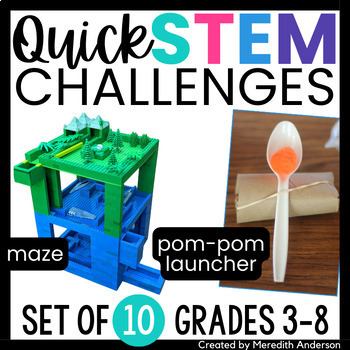
I'm very excited about finally finishing up a second set of 10 STEM activities you can do today! These are wonderful for team-building and can be used with a wide grade range. Since they are cross curricular, I hope you can use them in your regular school day. Otherwise, they also work for after school enrichment, summer camp, or homeschool co-ops.

https://www.teacherspayteachers.com/Product/STEM-Activities-10-STEM-Challenges-Set-2-2035331

The challenges are all self contained so you do not have to do the previous STEM challenges to try these. In the resource there are photographs of finished challenge samples for each STEM challenge, as well as relevant vocabulary terms so you and your students can "talk like an engineer". If you haven't tried STEM challenges before, head on over to Minds in Bloom, where I guest blogged and shared 3 free challenges. You can also learn about the ins and outs of doing STEM challenges with your students.

Explore Engineering with Kids

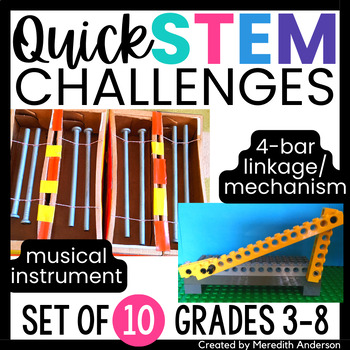
The challenges cover a wide range of engineering disciplines: materials engineering (bubble challenge), industrial engineering (fidget fix), acoustical engineering (musical instrument), mechanical engineering (elevator, windshield wipers), code creator (software engineering), aeronautical engineering (windmill).

Probably my favorite is the windshield wipers, as it serves as a fun introduction to the 4-bar linkage. Mechanisms like this have a special place in my heart because I met my husband in our graduate school Kinematic Synthesis class, where we learned how to design linkages to move through specified points.


Here's a short stop motion animation video of what it looks like when it's finished (with "wiper" blades attached).

Bubble Maker STEM Challenge!

Another fun challenge is the bubble maker! 

Here is a list of all of the challenges in this pack:
→ Design a Zip Line
→ Design a Windmill
→ Fidget Fix
→ Code Creator (create simple code with conditional statement IF ELSE, no computer necessary!) → Design a Musical Instrument
→ Bubble Maker
→ Elevator Challenge
→ Design a Hammock
→ Printing Press
→ Windshield Wipers (synthesize a 4-bar linkage)

I hope you check out the resource! You can find it here:
https://www.teacherspayteachers.com/Product/STEM-Activities-10-STEM-Challenges-Set-2-2035331

How to take a break when you homeschool

Don't become a burnt out homeschooler! These tips also work for stay at home parents, especially when your kids are small and you feel like you are on the never-ending merry-go-round of diapers, too-little sleep, and managing basic needs. Here are five ways that you can try to take a break.


Wake up early. Okay, so I'm not saying this is for everyone. In fact, it's not even for me these days. If your kids are late risers, take advantage of that morning time. Give yourself 45 minutes of quiet before the day starts. Check out FitnessBlender on YouTube for some awesome workouts (they have kid workouts, too!), have your breakfast at your own pace, do some breathing exercises, or something else you like to do but enjoy less when your kid(s) are around (alone time with your partner? knitting? probably best not to mix those, but you get the idea =) ). You'll start your day off on the right foot. If your kids are like my kids and arise early and/or at the slightest sound in the morning, see if you can get some exercise in! I try to go for a run or to the gym most mornings. Even 30 minutes does me a world of good, and I'm a much better parent when I've taken care of myself first.

Try quiet time. We know many families that follow this daily. My kids are readers (yay!) so they often pick their own quiet time in the afternoon. All of a sudden I will realize it is quiet and stumble upon them reading in another room. They are 9 and 7, so it isn't like the worrisome quiet when you have a toddler and the panic sets in, wondering what they could have gotten into (a time comes to mine when my son unwound hundreds of feet of string all over the house, in every room, around every piece of furniture, like a giant spider web, all while I was on the phone with my mom). If your kids aren't reading yet, have them rest or listen to calm music or audio books.


Swap with another homeschooling family. I don't know about you, but I find it a lot easier to manage my own kids when I don't have to manage them at all. The most hands-off time I find is when they are occupied with friends. Even if I am hanging out with other people's kids, I can often sit down and read because the kids all entertain each other. If I leave them with someone else, I can run an errand or just have some me time. Bonus points if you leave out educational materials just in case spontaneous learning takes place (it usually does).


Sign up your kids for a drop-off homeschooling class. If there isn't one around, try organizing one! A few years back, I set up a 3 hour drop-off class at a local Audubon that runs classes for school groups. They get to learn about wildlife and farming skills while I get a much needed break. I also signed them up for a group music class just for homeschoolers - as a bonus it is across the street from Trader Joe's so I can get what I need for the week while they are at music class. It's so much easier to get a little shopping done sans kids! Farm school:

0


For this particular program, I scheduled it at a time when I could meet my husband for lunch on days he was available, so we managed some daytime dates. It's a bonus if all of your children can participate at once, or if you have little ones still maybe you can schedule a drop off class for older children while little ones are napping. It won't be a total break, but it's something!.

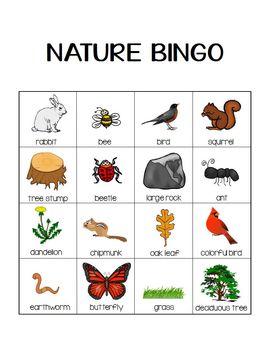
Go for a walk. Really, any way you can get outside will serve as a break. Walking is my favorite way to connect outside with my kids. You will be moving forward, pumping blood, catching some Vitamin D. You can even try walking meditation, Nature Bingo, or just noticing the things you see. My kids love to look for treasures on the ground. We all feel better after a nice walk, and I hope you will, too!


How to you find time for self-care? I am always amazed by homeschoolers with lots of children spanning many years in various developmental stages.


Music Week FREE Resource Roundup

Are you trying camp with Google this summer? Week 4 is Music Week, and here are a few extra freebies for you!


Links to the resources shown above, starting from the top:
Bird Songs Listening Music Freebie by Cori Bloom
Musical Instruments of the Orchestra Playing Cards by Stephanie Morris
Composer of the Month: Dvorak by Music with Sara Bibee
Freeze Dance by Lindsay Jervis
Roll a Rhythm by Floating Down the River Linda Seamons

Other ways to support the Music Week theme:
Craft: Make some rubber band instruments, drums, or rain sticks!

Movie: Fantasia, The Muppets Movie, Mary Poppins
Field Trip: Does your town have free summer music concerts? If so, check one out!
Hands-on Music: Try Boomwhackers! We love them for medium-sized groups.


Online learning: 
Listen to a variety of music all week! Try classical, folk, pop, hip-hop, and so on. You never know what might resonate with your kids.

Try Sphinx Kids! There are some fun musical games on this site:

http://www.sphinxkids.org/index.html

Try this site from the San Francisco Orchestra, too:

http://www.sfskids.org/


Please note, while the above resources are free at the time I'm posting this, sometimes they don't stay that way. Apologies in advance if any of the above links are either not working or are no longer free.


STEM Activity - Cantilever beam challenge!

Beam STEM Activity for Kids


Explore cross sections, design a beam, and then test the design for strength with a cantilever beam challenge. Here is a snapshot of what this activity looks like:


Engineers need to pick the best design for the application. Different cross sections provide different benefits. Some look like they would be strong, but during testing you will find out which design works best. Wall thickness also plays a part!

Get Started with the STEM Challenge

Try using cardboard tubes and boxes and come up with as many designs as you can. Things to consider and questions to ask:
  • How long is the beam?
  • How thick should the material be?
  • Would another material work better?
  • Where does the beam fail?
  • Where have you seen a cantilever beam in real life?
  • Which are the weakest and strongest beams? 
  • How much stronger is the strongest beam than the weakest one?
  • What could you change to make the strongest beam even stronger?
While you can set this up from the images and questions above, I hope you will visit this STEM challenge activity pack:

https://www.teacherspayteachers.com/Product/STEM-Activities-10-STEM-Challenges-1560993

There are more details for this challenge, including relevant vocabulary, as well as 9 other STEM challenges you can do with your students!

Nature Week FREE Resource Roundup

Are you trying camp with Google this summer? Week 3 is Nature Week, and here are a few extra freebies for you!
Links to the resources shown above, starting from the top:
Nature Grab Box Freebie from Green Garden Grubs Club
Landforms Dictionary by Miss Martin's Classroom
Habitats of the World by Fluttering Through First Grade
Animal Adaptations by Tarheelstate Teacher 
Parts of a Plant by Promoting Success

Other ways to support the Nature Week theme:
Craft: Paint bark, rocks, or pine cones!

Movie: March of the Penguins, Up
Field Trip: Nature hike, zoo.
Meal:Go berry picking (or find some locally grown food at your local farmer's market)!

Game: Try Nature BINGO (free)! 


Online learning: 
Listen to the calls and songs of various birds!


http://www.allaboutbirds.org/page.aspx?pid=1059

Learn about volcanoes at National Geographic.

Watch a time-lapse video of a seedling growing:

http://www.neok12.com/video/Time-Lapse-Videos/zX000e665066767b7b72457b.htm


Please note, while the above resources are free at the time I'm posting this, sometimes they don't stay that way. Apologies in advance if any of the above links are either not working or are no longer free.


Emotionally Connect with your Child through Physical Play

This is a re-post of an earlier post, but I thought it was worth sharing again.

We were fortunate enough to attend a workshop last week led by Larry Cohen (of Playful Parenting). When he released his book The Art of Roughhousing, he did a series of workshops to explore this fun topic. It is definitely worth a read! Some kids need to connect physically in order to connect emotionally. If your child is sensory-seeking, he may respond to some of these ideas. You may find you enjoy the games as much as your child does, and you will be sure to have lots of belly laughs and smiles. Sometimes a child that may seem defiant, just needs to feel like their voice is meaningful and is being heard. When a child is occasionally given a "powerful" role, they may become more cooperative at other times. Why not give it a try?


Some fun roughhousing games we have played in the past:

The wriggle game:
This is also called "You can't get away from me!" but I like the term wriggling. Basically you encircle your child with your arms (but don't hold them tightly) and say something like "I bet you can't wriggle out of here!" If it is their first time, make sure you don't make it too difficult to get out. It will help build up their confidence. As they get better at it, try moving all around with them as they are wriggling to make it more difficult for them to get out from your arms.

The push down game:
This game is fun from the toddler years on. For a toddler, squat down to their level and tell them to try to push you over. If you're squatting, it will probably not take much effort for them to throw you off balance. Fall back and elaborately groan about how they pushed you over, and then ask if they want to do it again. They will most likely get a big kick out of seeing an adult fall over for a change, instead of themselves. For older kids, kneel but keep your body tall so you are close to their height and tell them to push your shoulders, or hold up your hands like you are going to high-ten them and tell them to push your hands.


The bridge game:
This is best played with another adult around, though it can be done solo as well. Lie down on your back with your feet and the other person's feet touching sole to sole. Lift your legs up (while keeping your feet touching) to make an inverted V. Tell the child(ren) to run under the bridge without getting crushed (legs lowered). For older kids, you can open your legs to "catch" them in the bridge and dare them to escape. They will most likely delight in running and crawling under the bridge over and over.

Feats of strength:
It's a far cry from the Festivus feats of strength, but this is a lower-energy way to encourage body awareness and strength. If you've had a long day and need to sit on furniture instead of the floor, or you're nursing your little one and the older one needs attention, this can work for that.  Put your arms up like you are going to clap them, but spread them a little further apart. Ask if they can push your hands together. Resist. Repeat!

These never seem to get old with H&F. A few things to be mindful of:
  • Check in with your child periodically to make sure they are still having fun.
  • If your child tends to get riled up easily and has a hard time re-centering, take breaks every so often to make sure they don't feel out of control of themselves. One way we do this is by slow deep breathing and counting slowly backwards from 10.
  • Try to reserve time for roughhousing as a parent-child activity and you may spare yourself issues that arise from child-child roughhousing. If there is an outlet for this kind of energy, children will be less likely to unleash on their sibling or friend.
We played some other fun physical games at the workshop, including pillow fighting, which I'm sure will be detailed in the book. Do you have favorite roughhousing games you play with your kids?


The Art of Roughhousing

This is a physical extension of playful parenting. It takes conscious action to not immediately react in times of frustration with your child, especially if you are tired yourself. However, being goofy and playful is one of my best parenting tools, even as my children grow older.

Space Week FREE Resource Roundup

Are you trying camp with Google this summer? Week 2 is Space Week, and here are a few extra freebies you can use to support the theme. We are studying the moon, but you could study about the planets, space travel, rockets, or stars!


Links to the resources shown above, starting from the top:
Science Books for Beginning Readers by Teacher Tam
Space FREEBIE by More Time to Teach
The Solar System by Denise Hill
Getting to Know the Planets by Room 29
Comparing the Sun, the Earth, and the Moon by Elementary Ali

Other ways to support the Space Week theme:
Craft: Try making moon rocks! Make straw rockets with the free template over at Buggy and Bunny, or find 20 ways to build a rocket at Inspiration Laboratories!
Movie: WALL-E, E.T.
Field Trip: A planetarium, or go outside at night or early morning to count the stars or see the moon. Don't want to stay up too late? Print out this photo from about.com, poke holes where the dots are, and attach to a toilet paper roll. Look through the roll to see the constellation.
Meal: Astronaut food? No thanks.
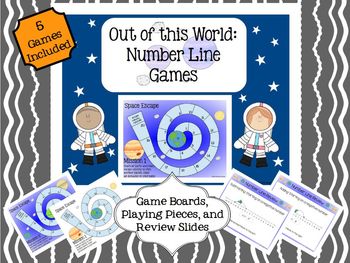
Game: Try my free number line games!


https://www.teacherspayteachers.com/Product/Number-Line-Math-Games-Addition-and-Subtraction-Out-of-This-World-Space-Games-409583

Online learning: 
Learning about the Planets
Popular Mechanics for Kids - Spaceships
Constellations - Connect the dots in the Sky


Please note, while the above resources are free at the time I'm posting this, sometimes they don't stay that way. Apologies in advance if any of the above links are either not working or are no longer free.